Delverium Farming Tier List
Crops, livestock, and meals ranked by early sustenance and trade, labeled as preview-informed.
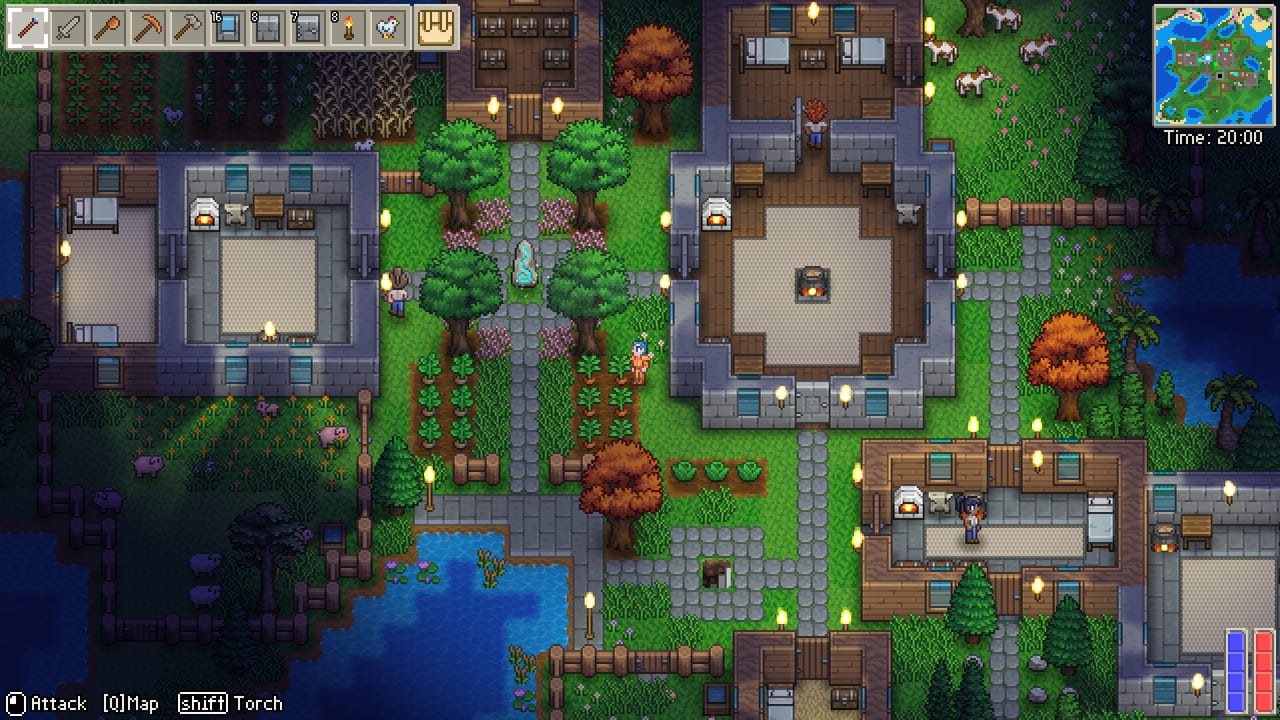
This farming tier list ranks early usefulness, not a datamined stat sheet. Letters are S, A, B, and C. The question is: what keeps a Delverium settlement fed, traded, and low-effort during the Steam demo and the first stretch of Early Access? Steam Early Access is scheduled for September 22, 2026 (the storefront may show September 21). The free demo has been on Steam since February 2025. We will not invent crop IDs, hidden growth timers, or a fake legendary vegetable.
For the how-to (plot size, pens, cooking stations), use the farming guide. For benches that turn harvests into meals, use crafting. Tools that till and water are ranked on the tools and weapons list. Parent context lives on the tier list hub.
The loop, before any letter
Official copy is short on purpose: till the soil, plant seeds, water the crops, watch the farm grow. Demo previews add forage-first play — you knock seeds off wild fruit and vegetable plants, pick wheat and mushrooms, then decide what deserves a watered tile. Cooking mixes farm crops, fish, wild ingredients, and animal products. That four-source kitchen is why a “crop-only” rank would lie.
Livestock in previews: chicks / chickens and lambs / sheep. An enclosure is not a vibe; it is fence + gate + water trough. Larger pens hold more animals. The agronomist is the NPC who talks farming, sells livestock, and is the reason many players finally build a proper pen instead of chasing chicks across the grass.
S tier — food and trade with the least drama
Watered starter plots — S. A small rectangle you actually water beats a huge dry field. Hunger in a survival sandbox is a time tax. Two or three tended beds next to the house outperform a decorative farm you forget between delves. Co-op groups should assign one person a hoe-and-can morning, not assume eight people will remember.
Wheat and wild grain-style forage — S. Demo write-ups keep bumping into wheat while gathering grasses. Straw and grain feed both building and cooking. You can eat from the world before the hoe is even crafted, then plant what you want to repeat. That “found, then farmed” path is the highest early-game value we can rank without inventing a seed ID.
Chickens (once penned) — S. Previews show players buying chicks from a housed agronomist or catching them on the map, then watching a pen produce. Eggs (and later cooked dishes that use them) are low-effort protein compared with another dangerous cave trip. They only stay S if the pen is valid. Loose chickens are a B-tier headache.
Cooked meals from mixed sources — S. Raw forage keeps you alive. Cooking is what you eat before a dungeon and what you sell to NPC shops. Mix farm harvest, fish, wild mushrooms, and animal products instead of spamming a single raw crop. We will not fabricate recipe names to fill a table; the rank is the habit, not a fake cookbook.
A tier — worth building toward
Sheep and lambs — A. Same pen rules as chickens (fence, gate, trough). They take more space and usually show up after you have already housed a few NPCs. Wool-style products and extra cooking inputs are why they sit under chickens for a brand-new world and above any luxury crop you cannot even plant yet.
Fish — A. Official farming copy calls out catching fish and folding them into recipes. Fishing is a parallel food line that does not wait on growth ticks. If you are already walking past water on a wood run, it is free value. It drops toward B only if your session never touches a shore.
Shop-bought vegetable seeds — A after forage seeds. Demo inventories have shown everyday vegetable seeds (carrot-type rows appear in footage) sold once NPCs have rooms. They are excellent once you have a watered grid. They are not S on minute one because you can already eat from wild plants and wheat without a wallet.
Agronomist-backed livestock — A as a system. The rank is not “the NPC is a crop.” Housing the agronomist is how you stop treating animals as a lucky catch. Build the room (walls, door, bed, light) using recruiting, then buy chicks instead of sprinting across the map every dawn.
B tier — useful, easy to overbuild
Raw mushrooms and extra wild plants eaten uncooked — B. Fine as emergency food, worse as a plan. Spend the extra craft to cook them with grain or fish. If you never build a cooking station, this stays your diet and you will feel it in longer delves.
Oversized dry fields — B, trending C. Tilling twenty tiles you cannot water is a screenshot, not a farm. The hoe can also wipe immature crops, so a panicked clear of a huge grid hurts more than a small one. Expand only as fast as watering cans and attention allow.
Tree and ornamental seeds — B. Footage has shown tree-type seeds in bags next to crop seeds. They are settlement flavor and future wood. They are not what you plant when the party is hungry tonight.
C tier — skip until the house is fed
Livestock without a trough — C, and it fails the pen. Fence and gate without water is not an enclosure in the sense previews describe. Fix the trough before you buy a second species.
Luxury shop food you could have cooked — C. Merchants will sell meals and ingredients. That is a safety net after a wipe, not a strategy. Your farm and fish should undercut the shop.
Chasing every seed color before a bed exists — C. Getting started wants walls, a door, a bed, and a light so an NPC can move in. A seed museum does not recruit a trader.
A one-day farm loop before a delve
- Water yesterday’s tiles; harvest only mature plants (swords clear mature crops quickly if the row is ready).
- Replant, water, park the hoe and can.
- Check the pen: gate closed, trough filled, chicks and lambs actually inside.
- Cook a stack from crops + fish or eggs; leave extras in a chest for co-op drop-ins.
- Only then pick up pickaxe, torches, and a weapon from the tools list and walk to a cave.
That loop is the rank in motion. S-tier items are the ones that appear in steps 1–4. Everything else can wait a day.
Co-op and Early Access caveats
Eight online players on one host will strip a tiny farm. Build extra watered tiles and one shared kitchen, not eight rival gardens that all forget to water. There is no official dedicated server; if the host logs off, the world sleeps unless you look at community hosting.
Sagestone has talked about expanding fishing, biomes, and NPC options during Early Access. New crops can appear. This page will not invent them in advance. When a new seed is confirmed in patch notes, it will earn a letter the same way wheat and chickens did: sustenance, trade, effort — not a spreadsheet of hidden values.
Plant what you will water. Pen what you will feed. Cook what you will actually carry into the dark. If a later build adds a miracle crop, we will rank it when players can grow it, not when a trailer flashes a leaf.
Frequently Asked Questions
Quick answers to the most common Delverium questions.
What should I farm first in Delverium?
A small watered plot plus wheat-style forage, then chickens in a real pen (fence, gate, water trough). Cook mixed meals before you expand into sheep or shop-only seeds. Ranks are preview-informed, not datamined.
How do I unlock livestock?
Build a valid enclosure and house an agronomist. Demo previews show chicks and lambs caught on the map or bought after that NPC moves in. A pen without a trough does not count.
Are these crop ranks based on hidden stats?
No. We rank early usefulness: sustenance, trade, and low effort. We do not invent growth timers, gold values, or item IDs. If a later patch publishes real numbers, the letters can move.
Does cooking beat raw crops?
Yes for dungeon food and NPC trade. Official copy mixes farm harvest, fish, wild ingredients, and animal products. Raw mushrooms are a B-tier emergency, not a plan.
Can co-op friends share one farm?
They should. Delverium is one shared world for up to eight online players. Extra watering cans help; eight separate dry fields do not. The host holds the save unless you use community hosting.
Will Early Access add more crops?
Sagestone Games has said Early Access (scheduled September 22, 2026) will expand systems such as fishing, biomes, and NPCs. This page will not invent those plants ahead of time.